
“[Education] is generational work”
The story of the Clean Air Green Corridor and a reflection of my time in the classroom.

Last Thursday evening, I sat at a fundraising gala in the ballroom of Hotel Edison, an art deco-inspired space just a few steps from Times Square's chaos.
I was there as a guest of Futures Ignite (FI), the NYC-based non-profit dedicated to supercharging youth leadership and post-secondary college and career pathways.
My relationship and work with FI go back to at least 2018 when molly delano, FI’s executive director, found myself and a colleague in our classroom mentally and physically exhausted on a Friday afternoon after completing a week of Intensives.
Intensives, which took place at my school for five consecutive days each semester, saw regularly scheduled classes being temporarily abandoned and students instead spending all day taking one in-depth interdisciplinary class for an entire week.
Joining forces with my history teacher colleague, Erick Espin, to create a class we dubbed Restoring Highbridge, Intensives Week was turned into an opportunity to get our students outside of the classroom and learn from and within the local environment through a scientific and historical lens. By the end of the week, our students had witnessed first-hand how and why certain parts of our school’s neighborhood had fallen into disrepair and were given the opportunity to beautify the blocks and small gardens around our school.
While Erick and I enjoyed our week of Intensives collaborating with each other and helping our students better the world around them, we were too tired and too consumed with returning to our regular programs to fully appreciate what we and our students had done.
However, molly, learning of our work, immediately saw the long-term potential of what our students had accomplished. Not long after, thanks to grant-writing efforts and continued student and community participation, FI hired the incredible force of nature that is Génesis Abreu, FI’s Senior Manager of Leadership & Enrichment, who turned what Erick, myself, and our students had started into a comprehensive pathway of programming called the Clean Air Green Corridor (CAGC - description & vision below).
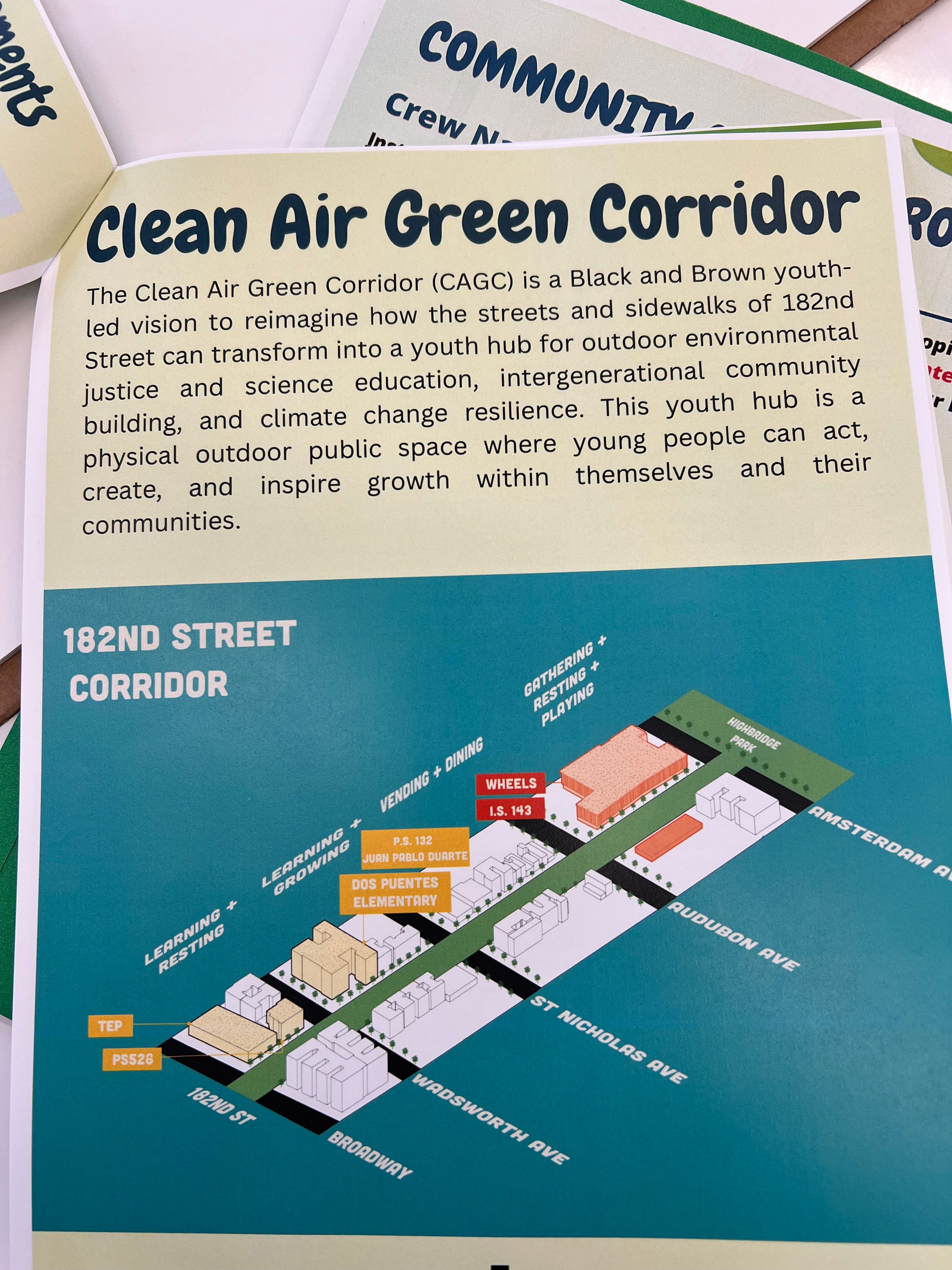
Today, the Clean Air Green Corridor project provides year-long (summers included) opportunities for students to obtain scientific and leadership skills, all while continuing to beautify the neighborhood and advocate for environmental justice.
A sample of what the CAGC does includes…
Weekly ‘Stew(ardship) Crew’ litter cleanups - removing hundreds of pounds of trash each year along 182nd street in Wahington Heights.
Collecting, analyzing, and raising awareness about Washington Heights’s noxious I-95-infused air quality.
Beautifying the open and green spaces on the blocks surrounding their school (see images below).
Hosting day-long environmental justice teach-ins (also below).
Conducting scientific research in Highbridge Forest as a part of the Urban Ecology in the Heights Summer Research program.
And more!


Undoubtedly, The Clean Air Green Corridor project has come a long way from the one-week course Erick and I taught back in 2018. Indeed, the story of the CAGC (a story I share in greater detail in Learning Environment) speaks to the power of what can happen when partnerships are formed, the work is put in, and students are empowered and equipped with the knowledge and skills to affect change in their own community.
The story, however, does not end here.
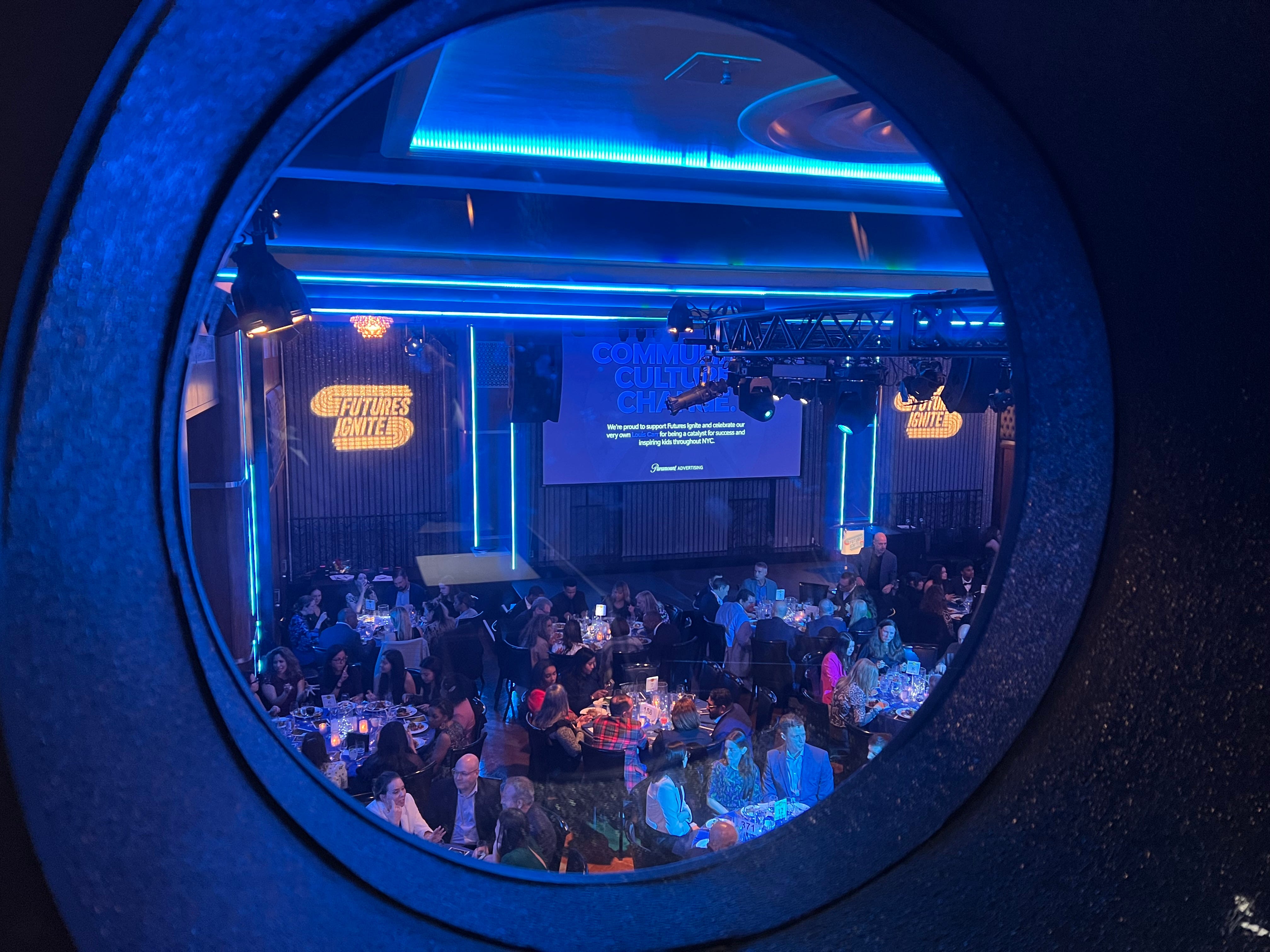
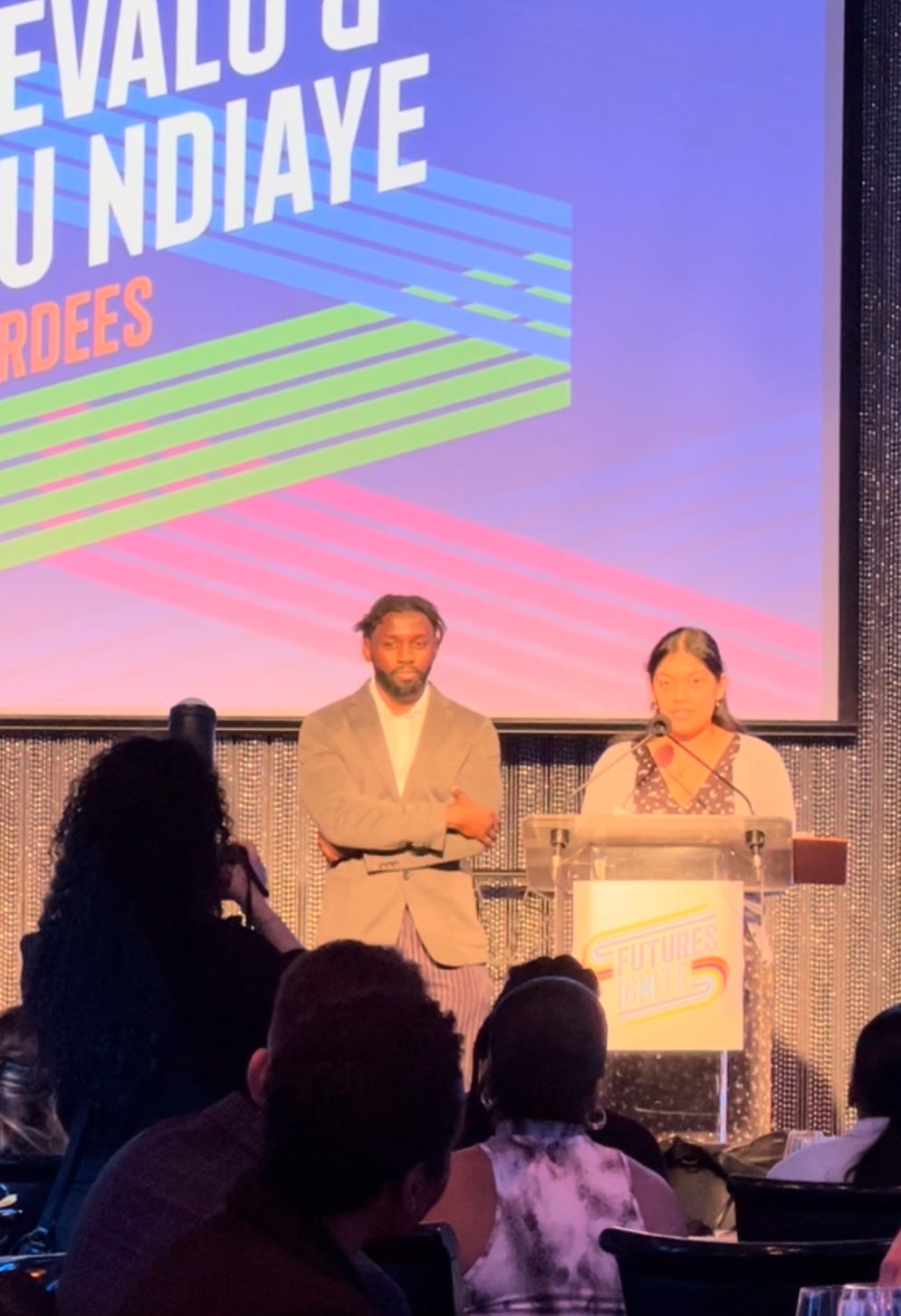
Back to the Future(s Ignite gala - couldn’t resist), Diane Arevalo, an original Restoring Highbridge Intensive student all those years ago and subsequent founding student member of the CAGC + recent college graduate from Brandeis U., was set to receive an alumni award for her service and accomplishments.
Diane, during and since graduating from high school, has been continually involved and instrumental to the success and growth of the CAGC. Her participation and influence have ranged from returning to teach over the summer in the Urban Ecology Summer Research Program to inspiring her younger brother, who I witnessed last week deliver impactful lessons to his classmates on air quality at FI’s environmental justice teach-in, to joining the CAGC.
When receiving her award (see below), Diane spoke eloquently and openly about loss, learning, and her future desire to use her experiences learning in and from the environment to pursue a career as a physician’s assistant.
Listening to Diane, I could not help but feel inspired.
Reflecting on Diane’s words and those of another awardee at the gala who spoke on how educators’ work is “generational work” reminded me of teachers' unique role and importance. Indeed, teachers, so often caught up in the challenges they confront daily trying to provide meaningful and engaging lessons to their students under some of the most difficult of all professional conditions, typically have little time to see the fruits of their labor.
Following Diane’s journey and those of some of my former students who are now teachers at my former school (see below) has, however, given me a deep appreciation for my time in the classroom.
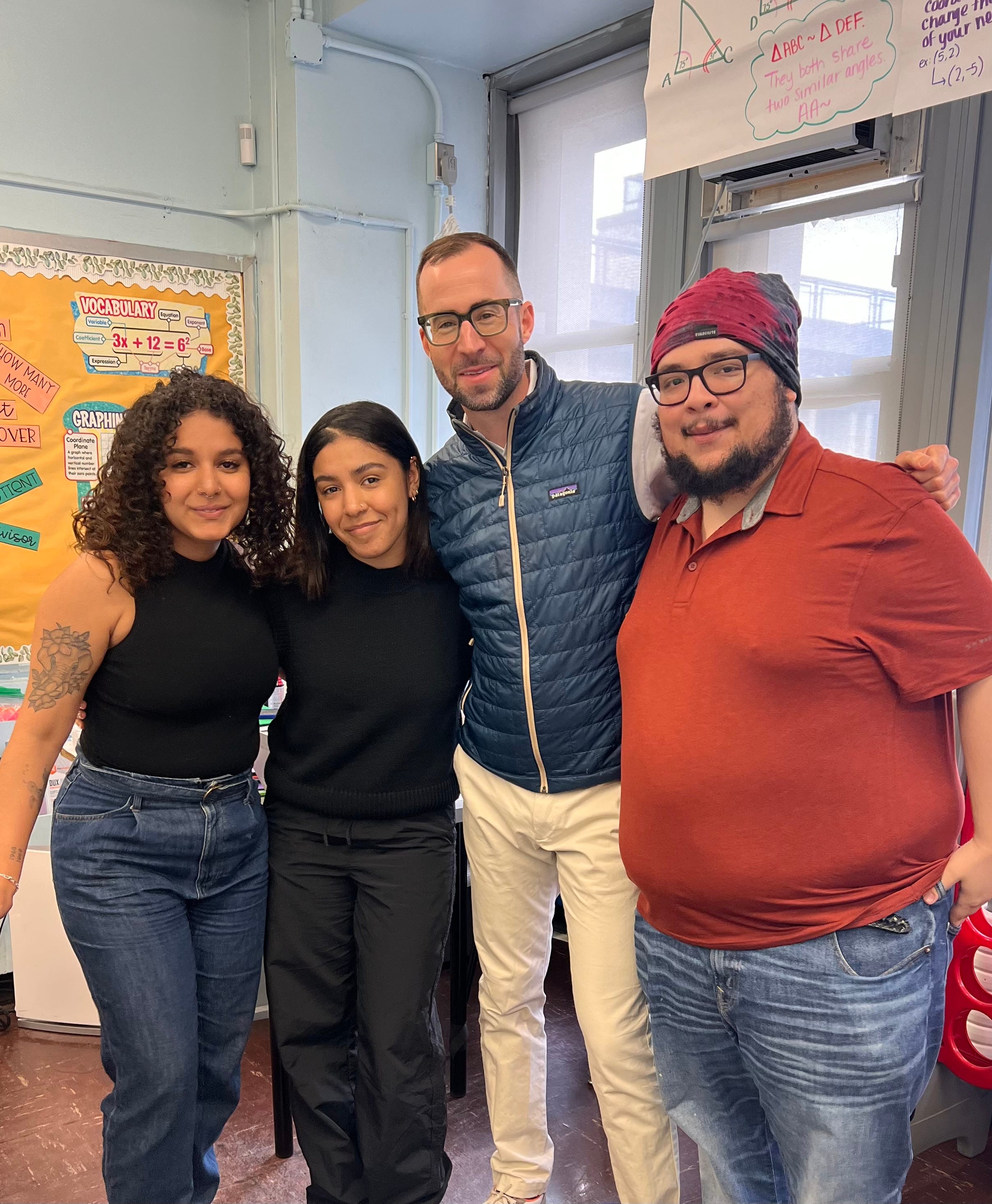
Perhaps not surprisingly, distance and time have also taught me that even though we as educators may not always see the impact we have on the daily, we are nonetheless key cogs for equipping and empowering the next generation with the knowledge, skills, and tools to go off into the world and do great things.
Indeed, Diane, her brother, and my former students - know colleagues! are living proof of just that.
Are you inspired by the work of Futures Ignite and the Clean Air Green Corridor?
Consider donating to their ongoing fundraising campaign here—for a limited time, every dollar donated is doubled!
And, as always, thank you for reading…
Please like (heart), share, and comment. Each interaction you have helps my platform grow.
Gratefully Yours,
Jared